







Urban sprawl around Westbury and its impact on the Wiltshire countryside
Westbury sits at a crossroads: a historic market town framed by chalk downs, surrounded by small villages and arable fields. Urban growth pressures, planning choices and the Wiltshire Local Plan shape how that landscape will look in decades. Je aim to unpack how edge-of-town development, green gaps and policies influence the rural character around Westbury, offering concrete examples and practical perspectives for residents and decision-makers. Vous trouverez analyses, trade-offs and realistic strategies to manage sprawl while protecting what makes Wiltshire distinctive.
Planning policy and the Wiltshire Local Plan
How the Local Plan frames development around Westbury
The Wiltshire Local Plan sets the rules for where housing and employment can go. Je examine how site allocations, settlement boundaries and housing targets translate to real change on the ground. When the plan prioritises growth at certain towns, Westbury becomes a magnet for developers seeking “edge-of-town” parcels. That concentrates pressure on adjacent fields and hedgerows, especially where infrastructure is already accessible.
Decision-making tools and constraints
Planning officers use tools such as housing need assessments, landscape sensitivity studies and transport modelling. Je note that economic imperatives often collide with landscape designations: green belt is limited here, so protections rely on neighbourhood plans, conservation area policies and the interpretation of “sustainable” locations. Vous should be aware that small changes in policy wording—what counts as “exceptional” development—can open the door to ribbon development if not tightly controlled.
Edge-of-town development: patterns and consequences
Typical forms of expansion near Westbury
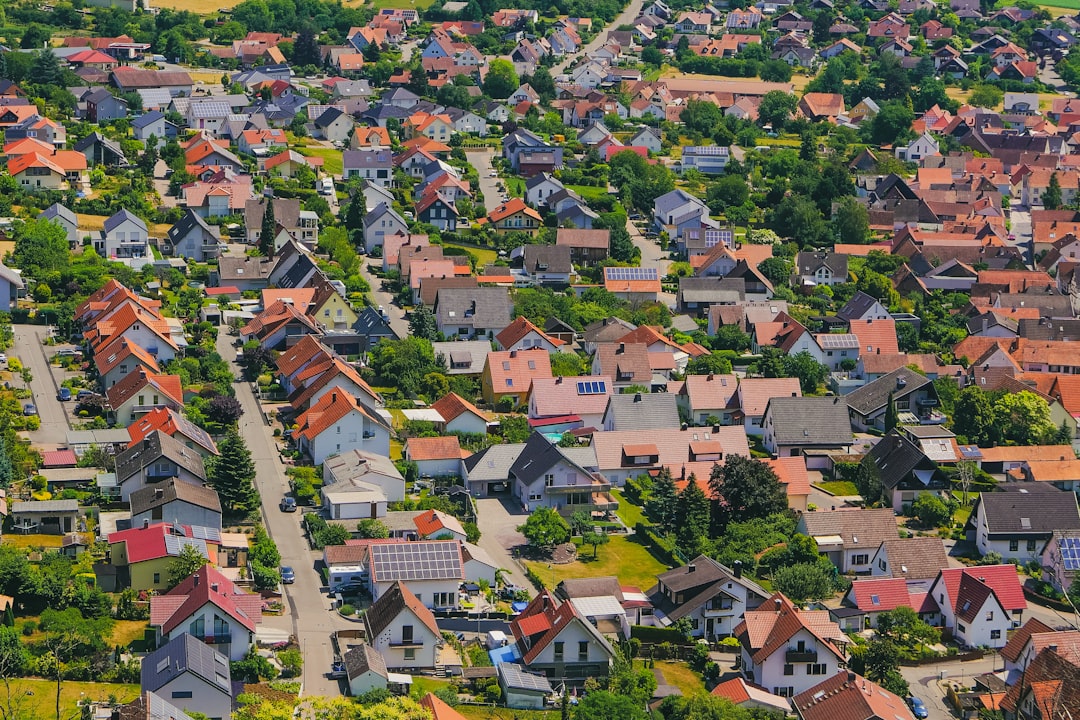
Edge growth often takes the form of estate-style housing, business parks or piecemeal ribbon development along main roads. Je observe that developers favour sites with easy access to the A350 and rail links to Trowbridge and beyond. Those locations yield quick planning wins but can fragment the countryside. The result: larger footprints of tarmac, reduced permeability for wildlife and a loss of agricultural land.
Social and infrastructure impacts
Housing alone shapes communities. New estates may provide much-needed homes but can strain schools, GP services and local roads. Je highlight a recurring issue: developers deliver houses before transport upgrades are completed. Vous then face congestion, longer commutes and diminished sense of place—symptoms typical of unmanaged sprawl.
Green gaps and protecting the Wiltshire countryside
The role of green gaps in preserving character
Green gaps act as visual and ecological buffers between settlements. Je stress that preserving these spaces keeps villages distinct and maintains views across rolling downs. Around Westbury, valued gaps link to heritage assets and biodiversity corridors. Losing them slowly to development erodes the very reasons people live there.
Tools to secure green gaps: policy and design
Local plans can designate green wedges or set strict development boundaries. Je recommend combining policy with design controls: lower density transitions, strong landscaping, and enforceable management plans for public open space. Vous can also use community-led tools—neighbourhood plans—to define local priorities and contest inappropriate edge proposals.
Safeguarding rural character and landscape sensitivity
Landscape-led planning practices
Applying landscape sensitivity appraisal ensures new development respects topography, hedgerows and skylines. Je promote careful siting and materials that reflect Wiltshire vernacular—chalky hues, slate roofs, native hedgerows. Small measures—buffer strips, dark-sky-friendly lighting, tree planting—maintain rural character even when growth is unavoidable.
Balancing affordability and conservation
Affordable housing is essential, yet its delivery must not automatically equate to densification that harms landscape quality. Je argue for creative solutions: infill on previously developed sites, sensitive conversion of farm buildings, and compact clusters that preserve larger contiguous fields as green infrastructure. Vous can aim for both housing delivery and landscape conservation when design standards are non-negotiable.
Transport, cumulative impacts and long-term resilience
How transport choices amplify sprawl
Road-focused development reinforces car dependency, which in turn justifies further edge expansion. Je point out that without investment in public transport and active travel, new residents add miles and emissions. The pattern becomes self-reinforcing: more roads, more housing, more sprawl.
Managing cumulative impacts through monitoring
A single development may be manageable. Multiple schemes over time create cumulative harm. Je recommend strategic monitoring—tracking cumulative loss of greenfield, traffic growth and service pressures—and trigger points in the Local Plan that halt further permissions until mitigation is in place. Vous benefit from transparency: clear metrics make planning decisions accountable.
- Key responsibilities of the Local Plan: set allocations, protect gaps, require landscape-led design
- Practical measures for edge development: phasing, infrastructure-first, vernacular design controls
- Community levers: neighbourhood plans, landscape character assessments, participation in planning appeals
- Transport solutions: improved bus services, active travel corridors, traffic demand management
- Monitoring and triggers: cumulative impact thresholds tied to permission moratoria
What the future of Westbury could look like
Je believe that careful planning choices will determine whether Westbury’s growth feels organic or invasive. By embedding green gaps in policy, insisting on landscape-sensitive design, prioritising infrastructure delivery and holding cumulative-impact triggers, vous can guide development so that it meets housing needs without sacrificing the Wiltshire countryside. The balance is delicate but achievable: growth that sustains communities and preserves the open, rolling character that defines Westbury.
For practical examples of corridor-based approaches that link transport investment, land-use planning and landscape protection—illustrating how phased infrastructure and modal shift can reduce sprawl while keeping countryside character—see corridor-alliance.co.uk.