







Protecting the Wellhead Valley and the Westbury White Horse landscape
Protecting the Wellhead Valley calls for balancing landscape character, wildlife conservation and the celebrated heritage setting of the Westbury White Horse. I will outline how topography, ecology and human stewardship interlock across the Westbury escarpment, and suggest practical approaches you can support to retain the valley’s scenic and ecological value.
Landscape character of Wellhead Valley and the Westbury escarpment
Topography, geology and landform identity
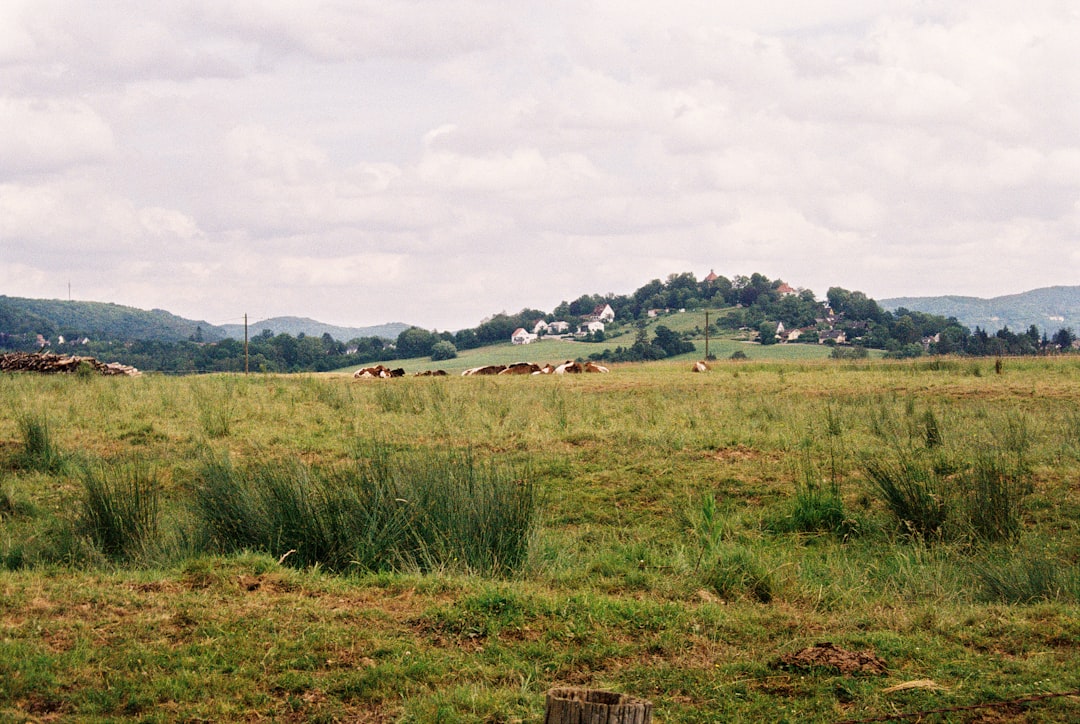
The Wellhead Valley sits beneath the chalk of the Westbury escarpment, a sweeping ridge that shapes local microclimates and drainage. The escarpment’s chalk soils create thin, free-draining ground that supports a distinctive mosaic of grassland, scrub and arable fields. I describe this because landform drives: views, soil chemistry and the types of habitats that can thrive. The valley slopes, hummocks and combes frame the Westbury White Horse and define the valley’s visual coherence.
Visual corridors and the setting of the Westbury White Horse
The White Horse is more than a carved figure: it is a focal point in a wider viewshed. From the valley floor, from lanes and from distant vantage points on the escarpment, the figure is read against the skyline. Protecting that setting means managing tree planting, controlling intrusive development and preserving long-distance sightlines. Maintaining open ridge lines and sensitive hedgerow patterns preserves the cultural landscape that makes the horse legible and evocative.
Wildlife and biodiversity of the Wellhead Valley
Key species, habitats and chalk grassland value
Chalk grassland on the escarpment supports specialist flora such as orchids, and insect assemblages including chalk-loving butterflies and solitary bees. In the valley bottom and wetter pockets, hedgerows and small ponds harbour birds, amphibians and small mammals. I stress the value of habitat heterogeneity: a patchwork of grassland, hedgerow, scrub and pasture sustains higher biodiversity than uniform fields.
Ecological networks and connectivity
Species need corridors. Hedgerows, riparian strips and uncultivated margins connect the escarpment to the valley and beyond. Restoring or maintaining these links enhances resilience to climate shifts and land-use change. Practical actions — sympathetic mowing regimes, targeted grazing and buffer zones around ponds — boost ecological connectivity and help species move and adapt.
Landscape protection, planning and practical management
Planning policy, designations and landscape-scale strategies
The area benefits from planning tools and local designations that can limit inappropriate development. Designations alone are not enough; policies must be actively enforced and supplemented by landscape-scale strategies that set standards for siting, materials and lighting. I recommend integrating the valley into broader conservation frameworks so decisions are made with the larger escarpment and viewshed in mind.
Landowner engagement, farming practices and stewardship measures
Farmers and landowners are custodians of the landscape. Incentive schemes for low-intensity grazing, wildflower margins and hedgerow restoration deliver both biodiversity and scenic benefits. I encourage targeted funding for traditional management — seasonal grazing or scrub control — and training so practices align with conservation goals while remaining economically viable.
Heritage setting and cultural value of the Westbury White Horse
Historical context and cultural landscape
The White Horse has layered history: folk memory, competitive hillside carvings and tourism. Its significance is both local and regional. Protecting this heritage is about preserving an authentic landscape where the figure sits within an agricultural and geological context, not an isolated monument in an urbanised backdrop.
Managing views, access and visitor impact
Visitors bring value and pressure. I advise a balanced approach: well-designed access routes, discreet interpretation panels and parking set back from key viewpoints. Managing footpaths reduces erosion on fragile chalk soils. Careful signage and seasonal restrictions at sensitive sites can protect ground-nesting species and ensure the horse remains a sustainable attraction.
- Prioritise open ridge and viewshed protection around the White Horse
- Enhance habitat connectivity with hedgerow and pond restoration
- Support low-intensity farming and targeted agri-environment incentives
- Control lighting and development that would intrude on the escarpment skyline
- Manage visitor access to reduce erosion and disturbance
Protecting Wellhead Valley: key actions and next steps
I propose a pragmatic roadmap. First, map the critical viewshed and conservation hotspots. Second, convene landowners, parish councils and conservation bodies to align objectives and access funding. Third, implement on-the-ground measures: grazing regimes, hedgerow planting, pond restoration and visitor infrastructure designed to be unobtrusive. Monitor outcomes with simple biodiversity indicators — butterfly transects, breeding bird surveys and floral counts — and adapt management where needed.
By combining landscape protection, biodiversity action and careful stewardship of the White Horse’s setting, you can help secure the valley’s character for generations. The Wellhead Valley is a living tapestry: geology, wildlife and human heritage interwoven. With focused planning and collaborative management, its scenic and ecological richness can endure.
For comparative case studies and practical guidance on establishing landscape-scale ecological corridors and multifunctional green infrastructure, see corridor-alliance.co.uk.