







Towards a low‑impact transport future for West Wiltshire
West Wiltshire stands at a crossroads. I envisage a low‑impact transport future where the Heart of Wessex line, resilient bus services and bold investment in walking and cycling combine to cut emissions, improve access and revive local economies. You will find here practical strategies and policy levers that policymakers, communities and transport operators can champion to make sustainable travel the easiest choice.
Rail renaissance: Heart of Wessex line as the backbone
Strengthening services and reliability
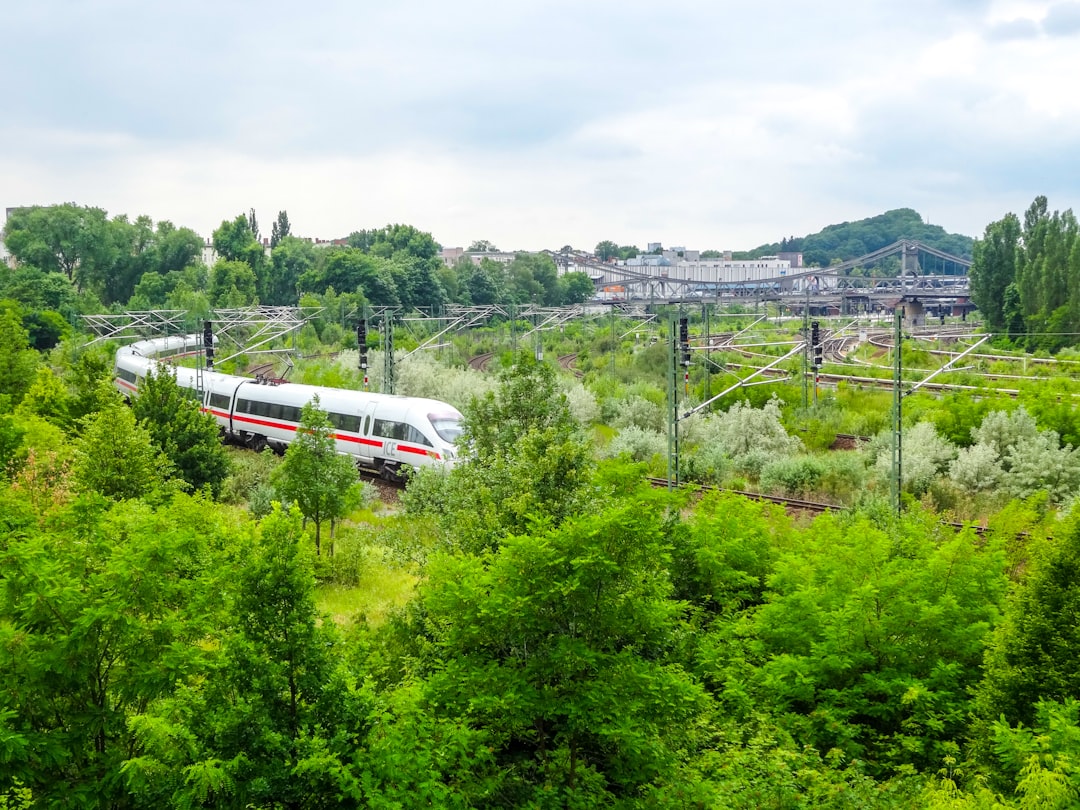
The Heart of Wessex line already links key towns between Bristol and Weymouth, but to be a true backbone it needs more frequent, reliable services and rolling stock fit for diverse journeys. I recommend timetable coordination to deliver regular intervals, targeted capacity at peak times, and investment in modern trains that reduce noise and emissions. Reliability improves modal shift: when you can trust a train to be on time, you choose it over driving.
Seamless multimodal connections
Rail must connect seamlessly with local buses, cycling routes and active-travel hubs. Practical steps include synchronized timetables, real‑time passenger information at stations, secure bicycle parking and integrated ticketing. I advocate for mobility hubs at intermediate stations where you can switch from train to an on‑demand bus or a shared e-bike — creating a network effect that multiplies the rail line’s reach.
Reimagining bus networks for rural resilience
Flexible routing, demand-responsive services
Rural West Wiltshire cannot rely on high-frequency fixed routes alone. By introducing demand-responsive transport (DRT) and flexible timetables, you can maintain coverage while containing costs. I suggest piloting DRT in lower‑demand corridors, using app booking and community hubs to ensure affordability and predictability for users who need it.
Affordable fares and integrated ticketing
Affordability is a decisive factor for modal shift. Implement fare capping, season passes that integrate with rail, and concession schemes to attract regular riders. Smartcards and contactless payments that work across bus and rail platforms will reduce friction and make public transport the default for everyday trips.
Active travel: walking and cycling for everyday trips
Creating safe, continuous infrastructure
To make walking and cycling viable, invest in continuous, well-lit, and segregated routes that connect residential areas with schools, shops and transport nodes. A network of protected cycle lanes, raised crossings and low‑traffic neighbourhoods will reduce danger and boost everyday cycling. Every infrastructure decision should prioritise safety and directness — people will walk and cycle if routes are pleasant and fast.
Behavioural programmes and community engagement
Infrastructure alone is not enough. I recommend sustained behaviour-change campaigns, cycle‑to‑work incentives and community-led walking schemes. Partnering with schools to run active travel ambassadors and offering bike‑loan programs will embed new habits. Local champions and visible success stories help persuade sceptical residents to try alternatives.
Demand management and policy levers to nudge travel choices
Pricing, parking reform and incentives
Effective demand management balances incentives and disincentives. Introduce smarter parking policies in town centres — reduced long-stay spaces, higher pricing for peak periods and prioritised bays for low-emission vehicles. Complement pricing with incentives: workplace travel grants, tax‑efficient season tickets and subsidies for e-bikes. Together, these measures steer behaviour without heavy-handed bans.
Land use planning and compact growth
Transport choices are shaped by land use. Promote compact, mixed‑use development around rail and bus hubs to shorten trip distances and increase walking and cycling. I propose updating local plans to prioritise affordable housing near existing public transport, reducing the need for car dependency over the long term.
- Enhance Heart of Wessex service frequency and modernise rolling stock
- Pilot demand-responsive buses and integrate ticketing across modes
- Build protected cycling corridors and active travel hubs at stations
- Deploy parking reform, pricing strategies and targeted incentives
- Align local planning with transit-oriented development
Roadmap for a low-impact transport future in West Wiltshire
Bringing these strands together yields a practical roadmap. First, I would focus on quick wins: schedule coordination on the Heart of Wessex line, improved real‑time information, and pilot DRT services. Parallel investments in visible cycling infrastructure and secure station bike parking will signal change. Mid-term, implement integrated ticketing, fare reforms and parking adjustments to shape travel behaviour. Finally, embed sustainable transport in planning policy so future growth supports low‑impact mobility.
You may wonder about costs and politics. Start small, measure impact and scale what works. Small pilots reduce risk and produce tangible benefits you can point to. If you back these measures, West Wiltshire can become a model of resilient, low-emission transport that supports healthy communities and thriving local economies.
For practical examples of corridor-based partnership working, route coordination and multimodal integration that mirror these proposals, see corridor-alliance.co.uk.