







The A350 Westbury Bypass public inquiry and why it still matters

The A350 Westbury Bypass public inquiry has become a touchstone for debates about road building, local democracy and national transport priorities in Wiltshire. Je will walk you through what the inquiry decided, why the judgement went the way it did, and why the case continues to matter for planners, campaigners and policymakers across the UK. Vous trouverez ici a clear, structured analysis that mixes legal, environmental and transport-policy perspectives.
Background and context of the A350 Westbury scheme
The scheme, setting and local concerns
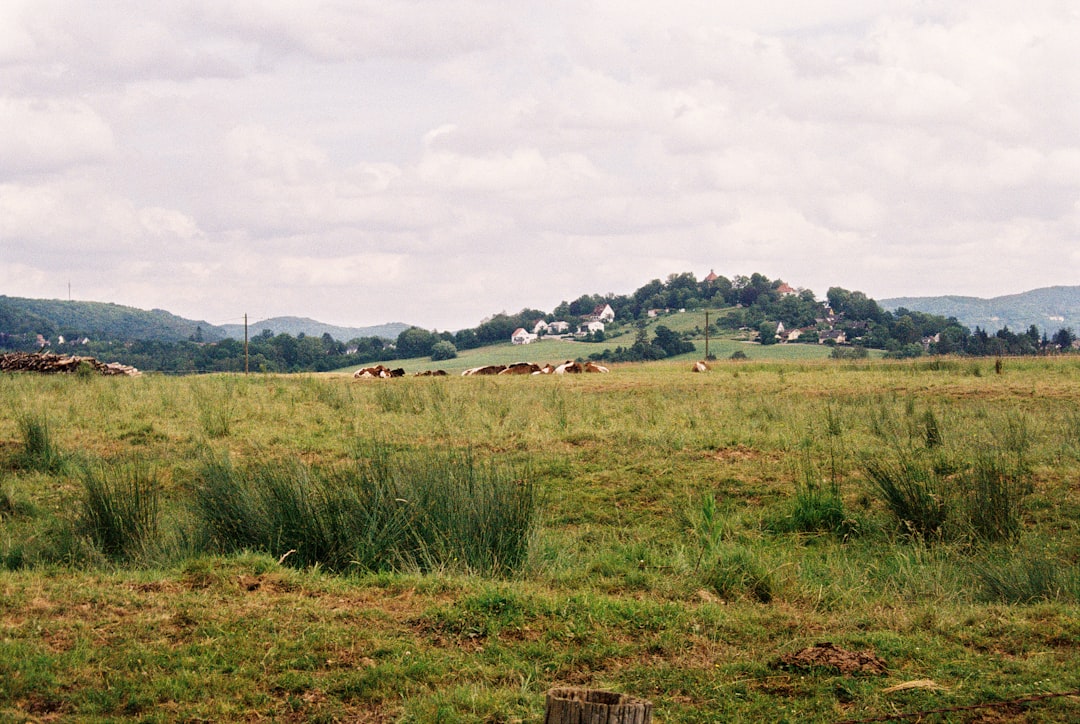
The A350 through Westbury has long been a congestion and safety hotspot. The proposed Westbury Bypass aimed to divert through-traffic—especially heavy goods vehicles—away from the town centre, with promised benefits for air quality, journey times and local amenity. Opponents raised alarms about landscape harm, impacts on biodiversity, and pressure on the surrounding Area of Outstanding Natural Beauty (AONB) and historic environment. I outline both sides so vous can see the full picture.
Why a public inquiry was necessary
A project of this scale attracted significant objections and triggered statutory tests: an Environmental Impact Assessment, habitat regulations considerations and complex planning policy balancing. The public inquiry provided a formal arena where objections, expert witnesses and local voices could be weighed against the developer’s evidence. That process—led by an independent inspector—matters because it produces a detailed, evidenced account of trade-offs that informs the Secretary of State’s decision.
What the inquiry decided and why
The formal outcome and key conditions
Following weeks of evidence, the inspector recommended (and the Secretary of State subsequently decided) to grant development consent, subject to a package of conditions and mitigation measures. These included stringent air quality monitoring, habitat creation and compensation, road-user management and staged implementation tied to monitoring triggers. The decision was not a simple yes: it was conditional and prescriptive.
Rationale behind the decision: planning balance explained
The heart of the decision was a planning balance. The inspector weighed demonstrable benefits—reduced town-centre congestion, improved road safety, and potential local economic uplift—against the harms: landscape intrusion, biodiversity loss and carbon emissions. The recommendation rested on the view that, with robust mitigation and monitoring, the public benefits outweighed the residual harms. Legal and policy tests (EIA, habitats regulation assessments and national planning policy) were central to the reasoning. I found the decision’s emphasis on measurable mitigation particularly decisive.
Why the decision still matters for transport policy
Precedent for future road-building cases
This case sets a practical precedent. It shows that large road schemes can secure permission if they present quantified local benefits and comprehensive mitigation packages, even when environmental concerns are acute. For policymakers, the inquiry demonstrates how national and local priorities are reconciled in practice. Vous should note the increased emphasis on monitoring and adaptive management as a blueprint for future approvals.
Implications for Wiltshire’s strategic planning
For Wiltshire, the ruling reshapes transport strategy. If implemented, the bypass could relieve local air quality pressures and reshape traffic patterns across the county. But it also forces Wiltshire Council and partners to confront long-term maintenance, modal shift ambitions and local-development pressures stimulated by improved connectivity. I expect this decision to intensify local debates about growth and conservation.
Lessons for planning practice and climate policy
Integrating climate commitments with local transport needs
One of the tension points was carbon emissions. The inquiry accepted that road schemes can create short-to-medium-term increases in emissions but argued offsets and modal-shift measures might mitigate impacts. That approach highlights the need for transport appraisals to align with national net-zero goals through clear, time-bound measures. Vous will want to watch how mitigation commitments are enforced.
Community engagement and legal safeguards
The inquiry underscored the value— and limits—of local engagement. Detailed local evidence changed the framing of some impacts, while legal challenges focused on adequacy of habitats assessment or procedural fairness. The case thus reinforces that early, evidence-led engagement and rigorous statutory compliance are indispensable for any major transport project.
- Key legal and planning tests applied: EIA, Habitats Regulations, national policy balance
- Main trade-offs: congestion relief and safety vs landscape and biodiversity harm
- Mitigation focus: air quality monitoring, habitat compensation, adaptive management
- Policy signal: conditional approval can be granted if benefits are quantified and monitored
- Local consequence: shifts in traffic patterns, governance and development pressure
Why this ruling matters for Wiltshire and future transport decisions
Je believe the A350 Westbury inquiry is more than a local planning story: c’est a practical case study in how the UK reconciles infrastructure needs with environmental commitments. The decision shows how robust mitigation, clear monitoring and legal compliance can tip the planning balance. For Wiltshire, it changes the transport landscape—literally and politically—and for planners it offers lessons about evidence, engagement and adaptive implementation. Vous should follow the scheme’s delivery closely: the real test will be whether mitigation works in practice and whether the promised benefits materialise without unacceptable environmental cost.
For comparative context on corridor-focused advocacy, stakeholder coordination and evidence-led mitigation in transport planning, see corridor-alliance.co.uk for resources and case examples that illustrate how alliances influence delivery and monitoring approaches.