







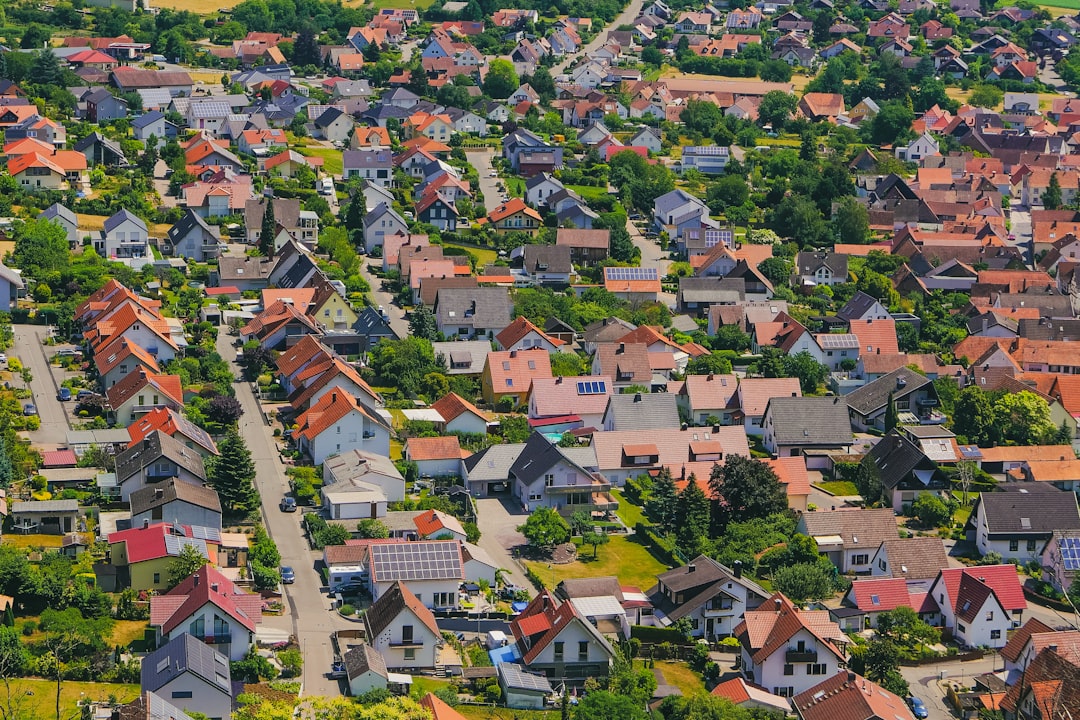

Discover the story of the Wellhead Valley and the threatened Wiltshire countryside around Westbury, from the A350 Westbury Bypass campaign and White Horse Alliance to key public inquiries and environmental policy debates. This site explores past and present road-building and urban sprawl pressures along the A36/A350 corridor, and what they mean for landscape protection, clean air and rural England. It also highlights better, low-impact transport and planning solutions for West Wiltshire that put sustainable transport, countryside heritage and community quality of life first.
Wellhead Valley, Westbury & the A36/A350 Corridor
Discover the landscape, history and ongoing campaigns to protect the Wellhead Valley, the Westbury escarpment and the wider Wiltshire countryside from damaging road schemes and urban sprawl.
1. Welcome
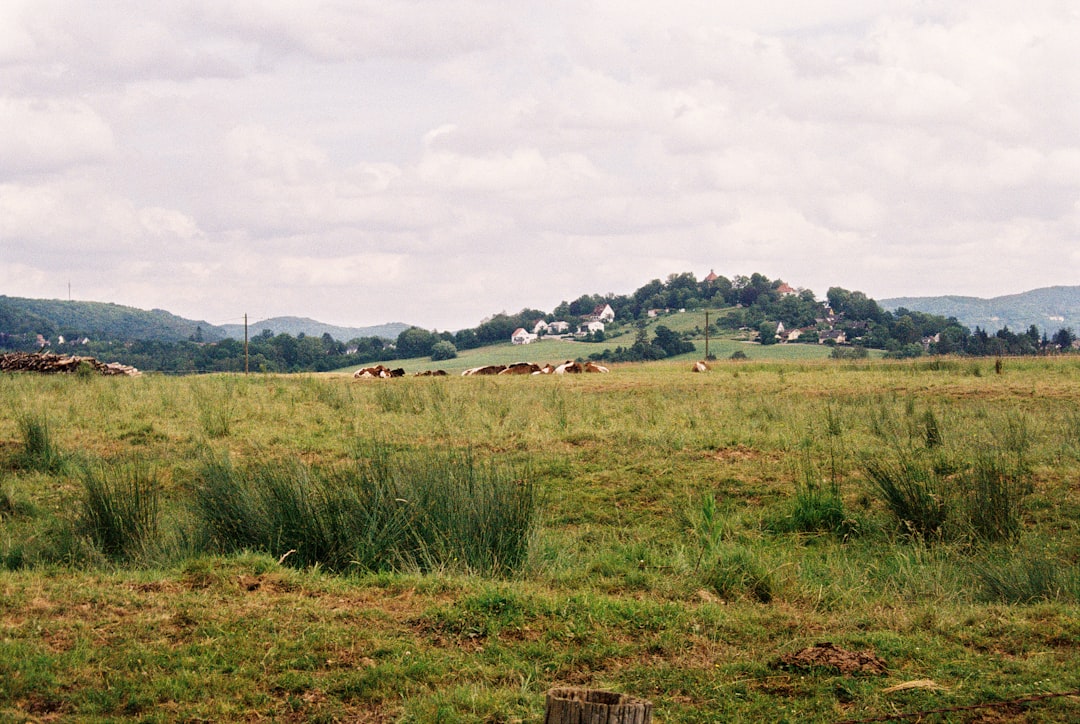
The Wellhead Valley and the countryside around Westbury form one of the most distinctive landscapes in West Wiltshire. Framed by the dramatic chalk escarpment and the iconic Westbury White Horse, this area combines rich natural habitats, historic routes and working farmland.
Yet for decades it has also been the focus of repeated road-building plans, most famously the A350 Westbury Bypass proposals. These schemes have raised fundamental questions about how we move around rural England, how we plan our towns, and how we protect the landscapes that define our sense of place.
This site brings together the story of that struggle: the campaigns, the public inquiries, the evolving environmental policy debates, and the search for better, low‑impact transport and planning solutions along the A36/A350 corridor.
2. About this blog
2.1 Purpose
This blog will focus on:
- Protection of the Wellhead Valley and the Westbury escarpment
- The history of the A350 Westbury Bypass campaign and its wider implications
- The work of the White Horse Alliance and local communities
- Ongoing threats from road building and urban sprawl in West Wiltshire
- The search for cleaner, low‑impact transport alternatives
- The future of planning, landscape protection and environmental policy along the A36/A350 corridor
The aim is not only to document what has happened, but to ask what should happen next if we want a future that supports sustainable transport, clean air and a thriving rural landscape.
2.2 Who this site is for
This site is aimed at:
- Local residents in Westbury, Trowbridge, Warminster, Frome, Bradford on Avon and surrounding villages
- Campaigners and environmental groups concerned with road building and countryside protection
- Students and researchers interested in public inquiries, transport policy and rural planning
- Decision‑makers at parish, town, district and county level
- Anyone who values rural England, historic landscapes and clean air
3. The Wellhead Valley & the Westbury Escarpment
3.1 A distinctive corner of rural England
The Wellhead Valley lies just south of Westbury, below the striking chalk scarp crowned by the Westbury White Horse. It is a patchwork of pasture, small fields, hedgerows, streams and footpaths, framed by the dramatic slope of the escarpment and open skies.
Key characteristics of the area include:
- The Westbury escarpment, a bold chalk ridge that defines the eastern edge of the Somerset–Wiltshire borderlands
- The White Horse, one of Wiltshire’s most recognisable symbols and an emblem of the wider chalk downland landscape
- The valley floor, with its springs, streams and rich soils supporting farms, wildlife and local recreation
- A network of rights of way, lanes and historic routes that link Westbury to nearby villages and the downs
This is not a wilderness. It is a working countryside shaped by centuries of farming, quarrying, settlement and movement. But it remains a remarkably tranquil pocket of landscape on the edge of a growing town.
3.2 Why this landscape matters
The Wellhead Valley and Westbury escarpment matter because they offer:
- Landscape quality – long views, strong landform and a clear transition from town to countryside
- Wildlife habitats – hedgerows, grasslands, streams and mature trees that support birds, bats and invertebrates
- Cultural heritage – the White Horse, the Imber Range, nearby historic settlements and patterns of land use that tell the story of rural Wiltshire
- Everyday amenity – places to walk, ride, run, watch wildlife and experience quiet close to home
They also matter because they sit at a strategic planning frontier: where road planners, developers, local authorities and communities have repeatedly disagreed about what should happen to this land.
4. The A350 Westbury Bypass Story
4.1 Why the bypass was proposed
For many years the A350 has been promoted as a key north–south route linking the M4 corridor to West Wiltshire, Dorset and the south coast. Local congestion in towns such as Westbury, Melksham and Chippenham has been used to argue for road upgrades and bypasses.
The A350 Westbury Bypass was presented as a solution to:
- Traffic and heavy goods vehicles passing through Westbury town centre
- Perceived delays along the A36/A350 corridor
- Region‑wide economic aspirations for faster road links
Planners and promoters framed the scheme as a relatively simple local bypass. In reality, it was part of a much larger set of debates about the status of the A350 compared with the A36/A46 and longer‑term ambitions for a strategic north–south route.
4.2 Route options and the Wellhead Valley
A range of route options were discussed over the years. The most controversial proposals involved:
- A bypass alignment running through or alongside the Wellhead Valley south of Westbury
- Major engineering works affecting the Westbury escarpment and views to and from the White Horse
- New road infrastructure intruding into open countryside previously protected by planning policy
Opponents argued that:
- The road would cause permanent damage to a valued landscape
- It would increase traffic on the wider A350 corridor
- It would fail to address the underlying causes of congestion
- It conflicted with emerging environmental policy, climate objectives and the protection of rural England
4.3 The White Horse Alliance and local campaigns
In response to the proposals, local residents, parish councils and national organisations came together under the banner of the White Horse Alliance. This coalition became a focal point for opposition to the bypass and a champion for the Wellhead Valley and surrounding countryside.
The White Horse Alliance and other campaigners:
- Commissioned independent landscape, transport and ecological evidence
- Exposed weaknesses in the bypass traffic modelling and economic case
- Highlighted impacts on landscape character, public rights of way and heritage settings
- Mobilised local communities through meetings, walks, exhibitions and media work
- Engaged with national bodies concerned with landscape protection and rural policy
Their work helped to move the debate beyond narrow road engineering arguments towards broader questions of sustainable transport, climate, clean air and countryside protection.
4.4 Public inquiry and decision
The A350 Westbury Bypass led to a significant public inquiry, where the evidence for and against the scheme was tested in detail. The inquiry examined:
- Traffic forecasts and the likelihood of induced demand
- Alternative options, including rail improvements, demand management and other transport measures
- Landscape and visual impact on the Wellhead Valley and the Westbury escarpment
- Noise, air quality and public health implications
- Consistency with national and regional environmental policy
Ultimately, the Inspectors and the Secretary of State concluded that the environmental and landscape harm, combined with doubts about the scheme’s benefits and alternatives, meant the bypass should not go ahead in the proposed form.
For supporters of the White Horse Alliance and many local residents, this was a landmark recognition that rural landscapes and community well‑being must be weighed seriously against promises of faster roads.
5. Ongoing Pressures: Road Building & Urban Sprawl
5.1 Beyond one bypass
The cancellation of the A350 Westbury Bypass did not end the story. Instead, it exposed a pattern of recurring proposals and pressures across West Wiltshire and along the A36/A350 corridor.
Themes that continue to reappear include:
- Fresh calls for new bypasses or A350 upgrades elsewhere along the route
- Large housing and employment allocations at the edge of towns such as Westbury
- Developer‑funded road schemes that push further into the countryside
- Renewed attempts to change the A36/A350 balance in favour of a particular route
Each new proposal tends to reopen the same set of questions about:
- Landscape protection and countryside gaps between towns and villages
- Urban sprawl and the gradual loss of rural character
- The cumulative impact of traffic growth on air quality and climate
5.2 Urban growth around Westbury
Westbury has seen significant growth in recent decades, and further allocations continue to be debated. Key issues include:
- Expansion towards the Wellhead Valley and other sensitive edges of town
- Pressure on local roads that were never designed for current levels of traffic
- The risk of coalescence between Westbury, Warminster, Trowbridge and nearby villages
- Loss of local green spaces used for informal recreation, walking and cycling
Without strong, landscape‑led planning policies, piecemeal decisions can add up to a form of incremental sprawl – hard to reverse and often poorly served by public transport.
5.3 The wider A36/A350 corridor
The A36/A350 corridor links Bath, Salisbury, Warminster, Westbury, Trowbridge and the M4. For decades, national and regional policy makers have vacillated over which routes should carry strategic flows and how best to manage traffic.
Consequences of this uncertainty include:
- Repeated local campaigns for road upgrades in different towns
- A tendency to treat each scheme in isolation rather than as part of a coherent corridor strategy
- Missed opportunities to invest in rail, bus, walking and cycling alternatives at scale
This blog will explore how decisions at corridor level influence what happens to specific places like the Wellhead Valley, and how a more integrated approach could serve both mobility and environmental goals.
6. Key Themes: Landscape, Clean Air & Rural England
6.1 Landscape protection
At the heart of the Westbury debates is a simple question: what is the countryside for?
Transport and planning decisions need to recognise that landscapes like the Wellhead Valley provide:
- A visual and cultural identity for local communities
- Space for nature recovery and ecological networks
- Everyday mental and physical well‑being benefits
- A sense of continuity in a rapidly changing world
The blog will look at how national and local policies on landscape character, green infrastructure and nature recovery can be strengthened and applied along the A36/A350 corridor.
6.2 Clean air and public health
Road traffic is a major source of air pollution and greenhouse gas emissions. Towns along the A36/A350 corridor have faced challenges with:
- Nitrogen dioxide (NO₂) levels near busy roads
- Fine particulates (PM₂.₅ and PM₁₀) from exhausts and braking
- Noise pollution and severance effects on communities
Protecting clean air is not just an environmental objective; it is a public health priority. This site will explore:
- How bypass and road schemes affect local and regional air quality
- The relationship between car‑dependent development patterns and health inequalities
- Policies and technologies that can cut emissions while improving accessibility
6.3 Rural England at a crossroads
The Wellhead Valley story is part of a much wider question about the future of rural England:
- Will rural areas become ever more car‑dominated dormitories, criss‑crossed by bigger roads, or
- Can they evolve as low‑carbon, landscape‑rich places with strong local services, active travel and resilient communities?
The pressures felt on the edge of Westbury mirror those near many other market towns and villages across England. By following the twists and turns of policy and projects in West Wiltshire, we can learn lessons that apply well beyond one valley or one county.
7. Better Ways Forward: Sustainable Transport & Planning
7.1 Rethinking transport in West Wiltshire
A key theme of this blog is the search for better, low‑impact transport solutions that reduce the need for major new roads while improving everyday mobility.
Potential strands of a more sustainable strategy include:
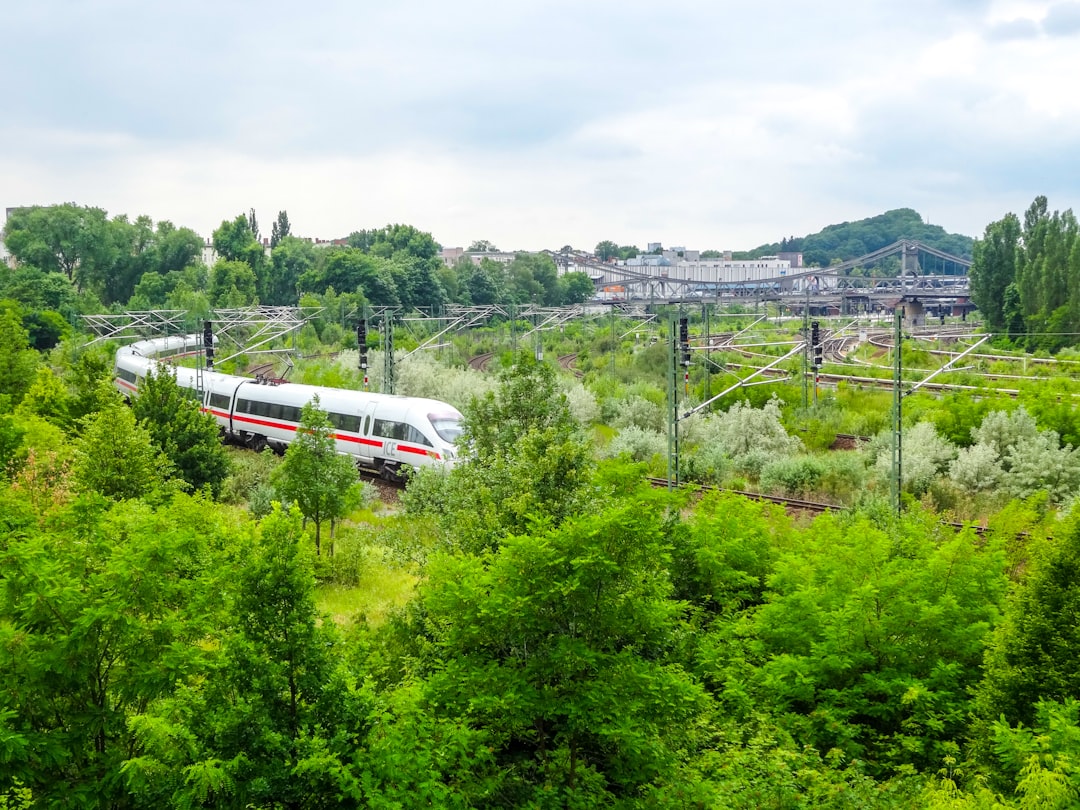
- Rail improvements on the Heart of Wessex line and services through Westbury station
- Integrated bus networks linking towns and villages along the A36/A350 corridor
- Safe, direct walking and cycling routes to schools, workplaces and town centres
- Demand management measures to reduce through‑traffic in sensitive areas
- Digital connectivity and local services that reduce the need to travel large distances
The question is not whether people should be able to move, but how they move – and how transport choices can support, rather than undermine, the qualities of the Wiltshire countryside.
7.2 Planning for compact, connected communities
Land‑use planning and transport are inseparable. If new homes and jobs are placed in car‑dependent locations, no amount of road building will fix congestion or emissions. This blog will consider:
- How to focus growth in well‑connected locations with strong public transport links
- The role of brownfield land and town centre regeneration
- Design principles for walkable neighbourhoods and mixed‑use development
- Protecting strategic green gaps and valued landscapes like the Wellhead Valley
Good planning can reduce pressure for further A36/A350 road schemes while addressing housing need and supporting local economies.
7.3 Policy, public inquiries and accountability
Public inquiries, local plan examinations and legal challenges play a crucial role in holding decision‑makers to account. Through case studies, documents and commentary, this blog will:
- Examine past public inquiries related to the A350 and West Wiltshire
- Track how environmental policy has evolved on climate, biodiversity, landscape and air quality
- Explore the role of community groups like the White Horse Alliance in shaping outcomes
- Highlight how ordinary residents can engage with consultations, hearings and evidence
Understanding these processes is essential if communities are to influence the long‑term future of the A36/A350 corridor and rural England more widely.
8. What you will find here
8.1 Types of content
Over time, the site will host:
- Historical features on the A350 Westbury Bypass campaign and related schemes
- Profiles of the Wellhead Valley, the Westbury escarpment and neighbouring landscapes
- Commentary on new road proposals, local plans and planning appeals
- Explainers on transport modelling, induced traffic and environmental assessment
- Articles on sustainable transport options and innovative planning practice
- Reflections on the future of rural England, clean air policy and landscape protection
8.2 How to use the site
You can explore the content by:
- Browsing by place (Westbury, Wellhead Valley, A36, A350, West Wiltshire)
- Following topic tags such as "sustainable transport", "urban sprawl", "public inquiry" or "clean air"
- Reading through chronological posts that trace the evolution of policy and campaigns
Where possible, posts will link to source documents, maps and official reports to help you dig deeper into the evidence.
9. Get involved
The fate of the Wellhead Valley and the Wiltshire countryside around Westbury is not fixed. It will be shaped by the choices made by planners, councillors, ministers, developers and local communities over the coming years.
You can:
- Stay informed about consultations and planning applications affecting the A36/A350 corridor
- Support organisations working for landscape protection, sustainable transport and clean air
- Share local knowledge, photographs and memories that illuminate what these places mean to people
- Encourage open, evidence‑based debate about the kind of rural England we want to pass on
This site exists to support that conversation – grounded in the story of the A350 Westbury Bypass and the White Horse Alliance, but looking outward to broader questions of how we plan, move and live in harmony with the landscapes that surround us.
10. Stay in touch
As new content is added, this homepage will signpost recent posts and long‑read features. You are invited to revisit, explore the archives and use the material here to inform local discussions and decision‑making.
The Wellhead Valley may be a small part of Wiltshire, but its story resonates across the whole of rural England: a test of whether we can find transport and planning solutions that respect countryside heritage, community quality of life and the limits of the landscape.